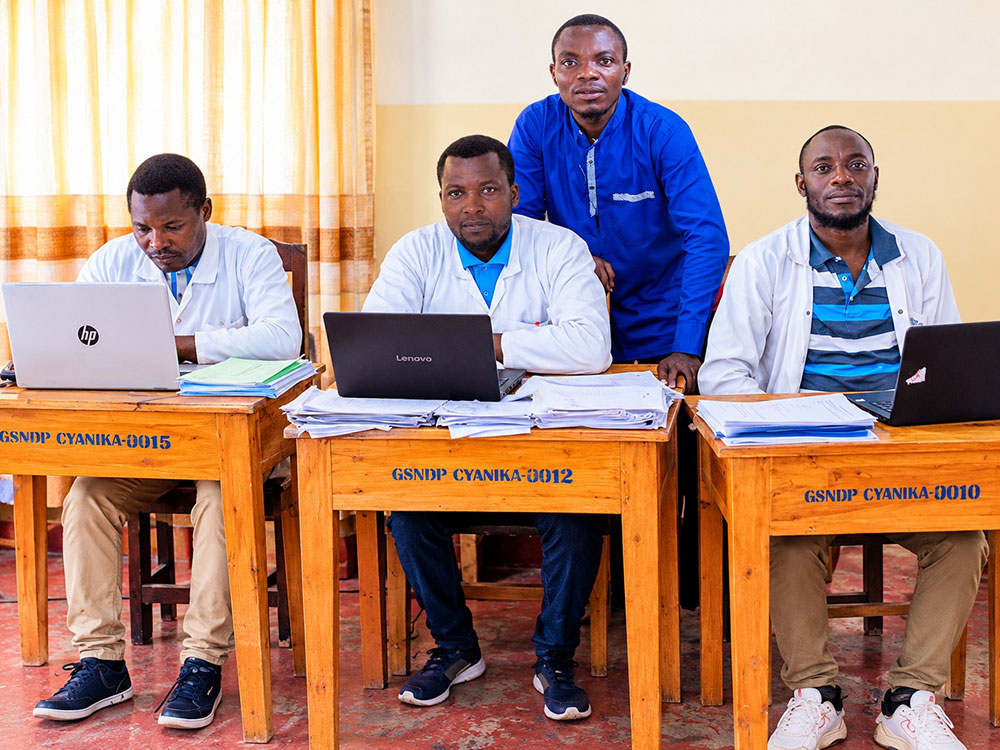
The Groupe Scolaire Notre Dame de la Paix Cyanika (GSNDP Cyanika), is a secondary school which depends on the Catholic Diocese of Gikongoro. Its status implies the intervention of the Government of Rwanda; it is a “Government aided school”. It is located in Nyanza Village, Karama cell, Cyanika Sector, Nyamagabe District, in the Southern Province of Rwanda.
Some important dates
Colonial period: the idea of founding a secondary school in Cyanika
After the independence: the renewal of the idea but it was not supported by the parish officials because, according to them, the Cyanika region was poor and could not easily feed students
1991: re-launching of the idea of founding a secondary school in Cyanika. The promoters were based on the fact that the Sub-prefecture of Karaba was the only one in Gikongoro without a secondary school.
On 22 January 1992: The agreement of Jean Baptiste GAHAMANYI, the Bishop of Butare Diocese, to found a secondary school in Cyanika. This can be considered as the legal creation of the future GSNDP Cyanika as a Catholic and Government- aided secondary school.
On the 1 November 1992: The GSNDP Cyanika started its activities in the buildings of the former Centre Rural Artisanal Integre (CRAI), with the reception of the first class of students. The school was dedicated by H.E Augustin MISAGO, First Bishop of Gikongoro Diocese, to the Virgin Mary “OUR LADY OF PEACE.”The first director of the new school is MURINDABABISHA Pierre Celestin. The school began with two options: Teachers training (Normale Primaire) and Languages. At this time the sections were starting from the S 1. The number of students was 176 students. At that time the school had: four classrooms, a kitchen, a dining room, a staff room, some office rooms and lodge for director as infrastructures, Dormitories belonged to private individuals and were outside of the school.
In the 1994 Genocide against the Tutsi in Rwanda, the school was not damaged.
The School Year 1994-1995: After the genocide, GSNDP Cyanika re-opened its doors for the 1994-1995 academic year with 262 students. The school has continued to grow little by little and at all levels:
1996: construction of two classrooms and a dining room that also serves as a multipurpose hall.
1998-1999: the new director Mr. Niyonsaba Anaclet was given to the school.
At the end of the 1999/2000 school year: the “teachers training” option was removed and the school embraced a new option of Commerce and Accounting for the next school year. The school will continue with the two options (Accounting and Languages) until 2010.
2003 School Year: The school got a new Director, Mr NKUSI Callixte.
2007: construction of six classrooms: 5 rooms currently used as dormitories for girls and one used as library.
2008: construction of a dormitory for boys, by Cyanika Parish.
On 5 June 2010: Nomination of the first priest, Fr HARERIMANA Valens as director of GSNDP Cyanika
2010 School Year: With the education policy in Rwanda to separate general education and vocational education, the school has opted for vocational education and begins to phase out the languages option and the ordinary level to embrace only the vocational and technical education.
At the end of 2010: Construction of a part of the school fence
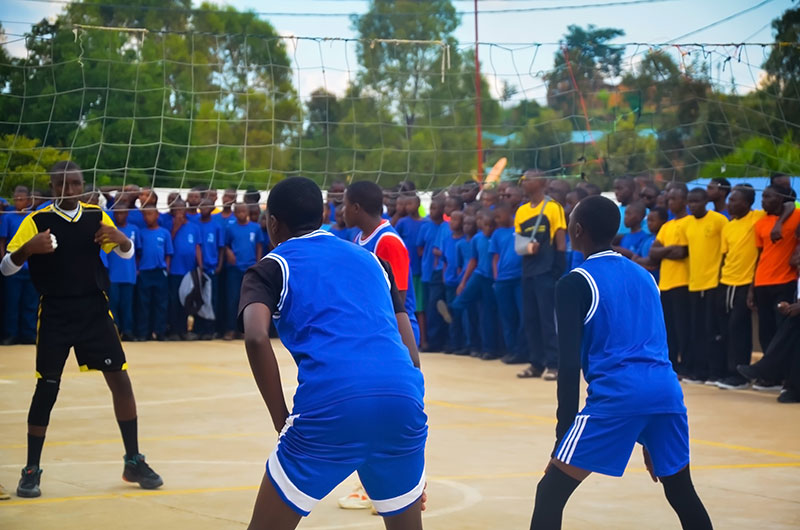
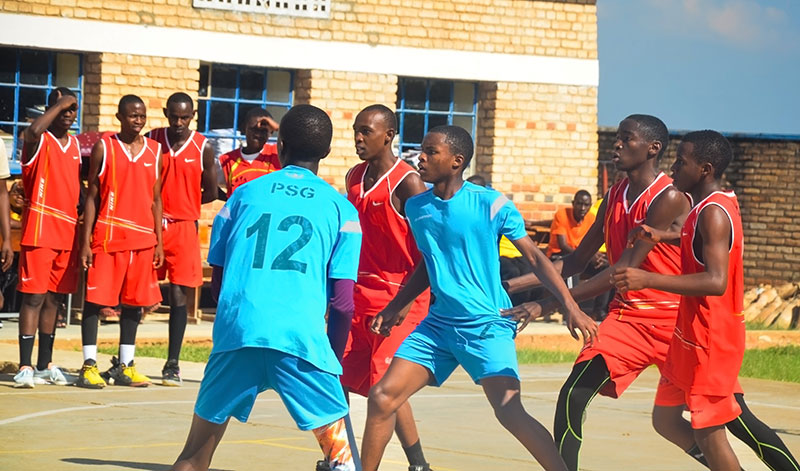
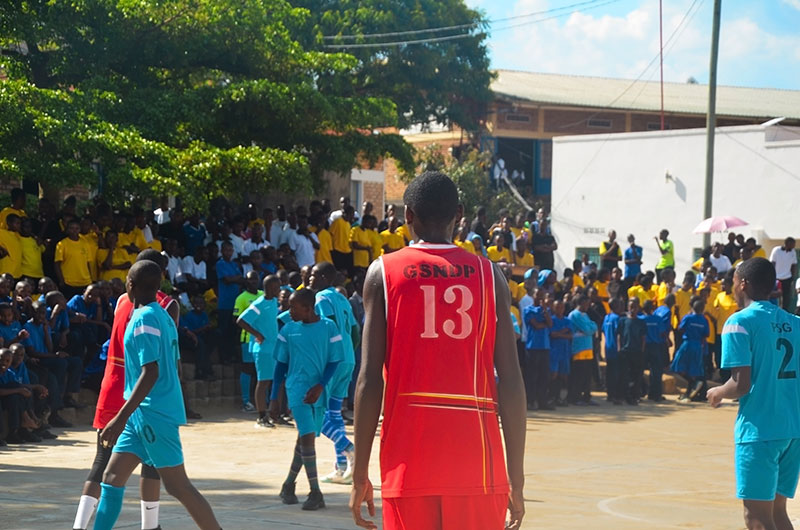
2011: construction of a mixed playground of basketball and volleyball
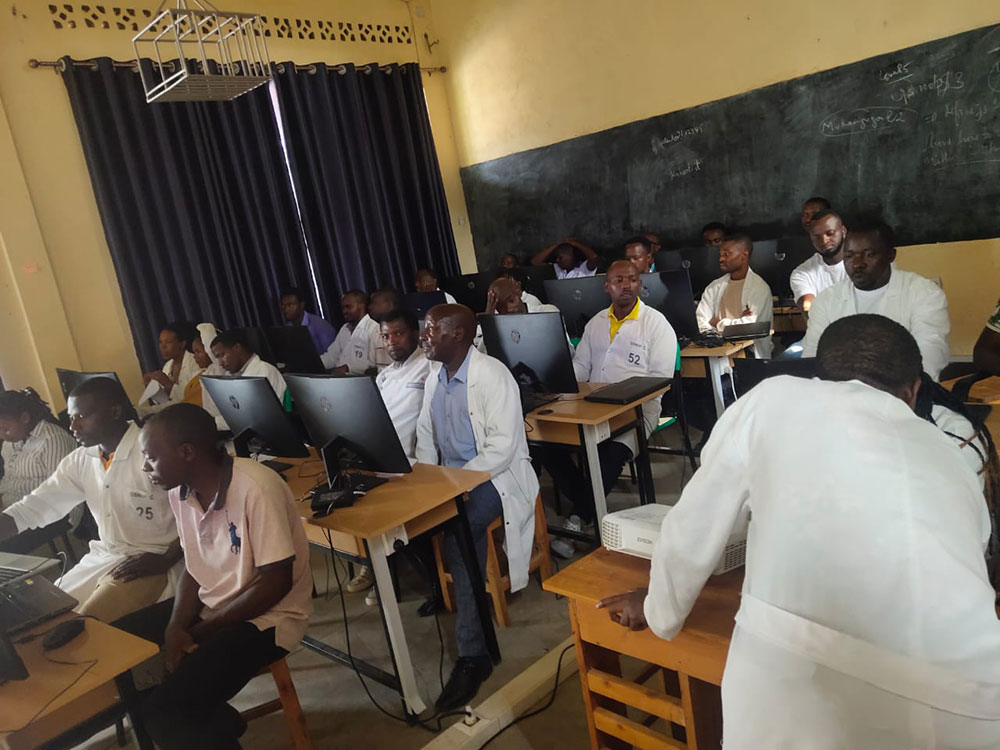
2012 school year: starting a new section of COMPUTER SCIENCE.
2013 school year: with the suppression of languages section and the ordinary level, The GSNDP Cyanika became a Technical Secondary School (TSS) with 2 professional sections: Accountancy and Computer Science. A new computer lab was rehabilitated.
2014 school year: the school opened a new option of Construction, bought and rehabilitate and new building which became the workshop for this option. Many other school materials have been bought such as computers (15), projector (1), different materials related to construction option,… and hydroelectric power installed.
2015 school year: construction of a part of the school fence (200 m) which still in progress, a new store, matrons’ home and the rehabilitation of a new computer lab. New computers were bought (11) and optic fiber installed.